

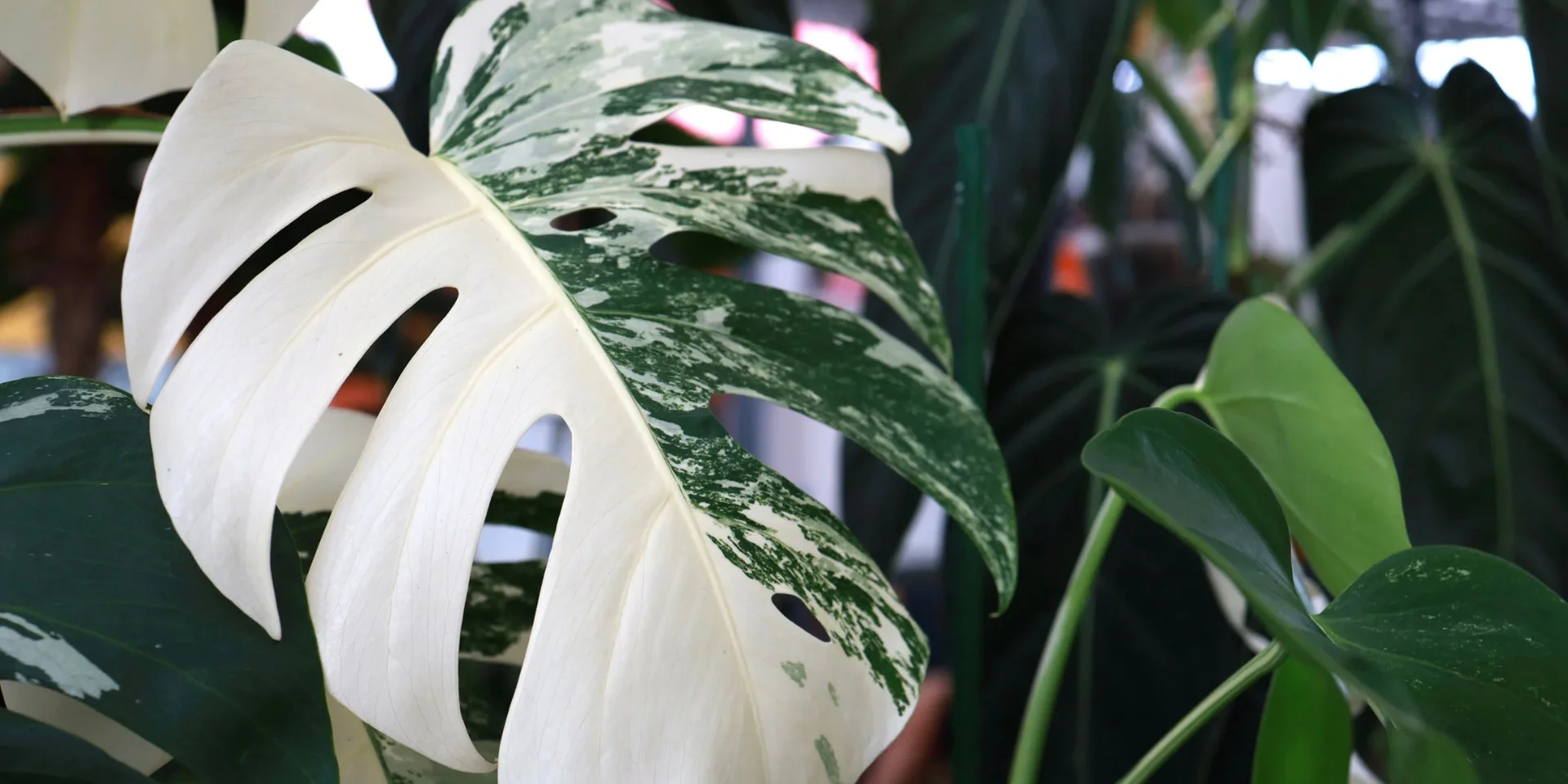
Few houseplants have captured the imagination—and Instagram feeds—of plant enthusiasts quite like the Monstera deliciosa ‘Albo Variegata.’ With its dramatic, hole-ridden leaves splashed with creamy-white marbling, this tropical superstar has become a symbol of botanical luxury and natural art. But beyond the hype lies a fascinating plant with unique needs and a rich history. Let’s explore the world of the Monstera albo.
What is a Monstera Albo?
The Monstera albo is a variegated cultivar of the common Monstera deliciosa, also known as the Swiss cheese plant. Unlike its solid green relative, the albo boasts striking, irregular white or cream-colored patches on its leaves, a result of a genetic mutation that limits chlorophyll production in certain cells. This mutation is not stable, meaning each leaf is a unique masterpiece—no two patterns are exactly alike.
The variegation typically appears in three forms:
- Sectoral: Large, solid sections of white
- Marble: Speckled or blended patterns
- Half-moon: A single leaf split perfectly down the middle, half green, half white
The Allure and the Cost
Why has this plant reached near-mythical status? Its visual appeal is undeniable—the contrast between deep green and bright white creates a living sculpture. However, its rarity drives its desirability. The variegation cannot be reproduced through seeds (seeds produce green plants), and propagation is slow. Cuttings must contain a node with the variegated tissue to potentially pass on the trait, and even then, there’s no guarantee.
As a result, prices have soared. A single-leaf cutting can cost hundreds of dollars, while established plants command thousands. This has sparked both a thriving collector’s market and concerns about sustainability and ethical sourcing.
Caring for Your Monstera Albo
Owning one of these beauties comes with responsibility. Their unique coloring makes them more demanding than their all-green cousins.
Light: Bright, indirect light is crucial. Too little light may cause the plant to revert to green to produce more chlorophyll. Too much direct sun can scorch the delicate white sections, which lack protective pigments.
Water: Water when the top few inches of soil are dry. The white portions don’t contribute to photosynthesis, so the plant is slightly less efficient at using water. Overwatering can quickly lead to root rot.
Humidity & Temperature: As a tropical native, it thrives in humidity above 60% and temperatures between 65-80°F (18-27°C). Consider a humidifier or pebble tray, especially in dry climates.
The Reversion Challenge: All-white leaves, while stunning, cannot sustain themselves. A plant producing too much white may weaken and die. If you notice a new leaf emerging with little to no green, prune back to a node with balanced variegation to encourage more sustainable growth.
Propagation: High Stakes Cuttings
Propagating an albo is a nerve-wracking endeavor for owners. The goal is to take a stem cutting with at least one node and visible variegation in the stem. Root in water or sphagnum moss, then transfer to a well-draining aroid mix. Success isn’t guaranteed—the new growth might revert or produce less variegation.
Ethical Considerations
The albo’s popularity has led to increased wild harvesting and tissue culture propagation. When purchasing, seek out reputable sellers who use ethical propagation methods. Consider buying from local hobbyists or specialized nurseries rather than mass-market vendors who may not disclose their sources.
Beyond the Hype: Is It Worth It?
The Monstera albo isn’t for everyone. It’s a high-maintenance, expensive plant that requires patience and attention. Yet for many, the joy of nurturing such a unique living thing outweighs the challenges. Each new leaf is an event—a reveal of nature’s unpredictable artistry.
For those captivated by its beauty but hesitant about the cost or care, alternatives exist. The Monstera deliciosa ‘Thai Constellation’ offers stable, speckled variegation and is often more forgiving. Or consider the stunning, but less bank-breaking, variegated Monstera adansonii.
The Bottom Leaf
The Monstera albo is more than a status symbol—it’s a testament to nature’s capacity for surprise and beauty. It reminds us of the wonder of biodiversity and the joy of cultivating something extraordinary. Whether you’re a seasoned collector or an admirer from afar, the albo represents the endless fascination we hold for the living world.
If you take the plunge, remember: you’re not just buying a plant, you’re beginning a relationship with a dynamic, changing organism. With careful attention, your albo can become a breathtaking centerpiece, a daily source of wonder, and a living legacy to pass on through cuttings for years to come.